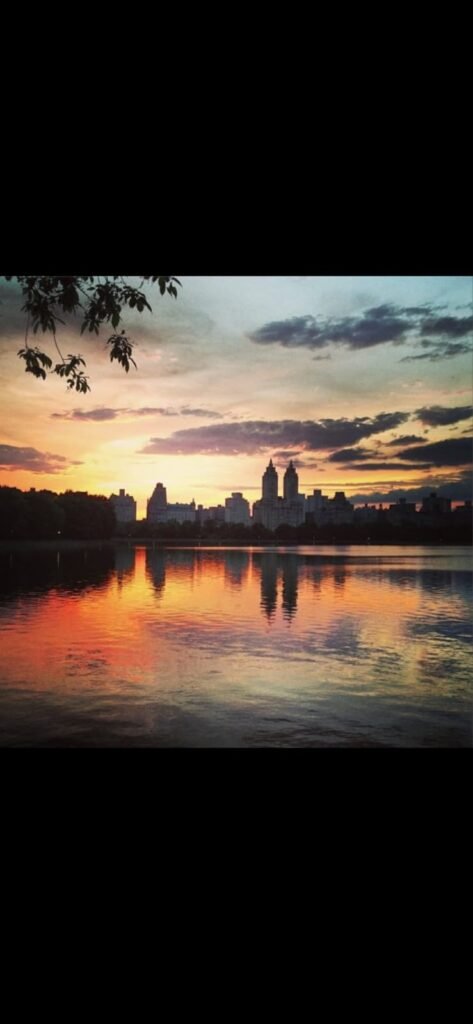
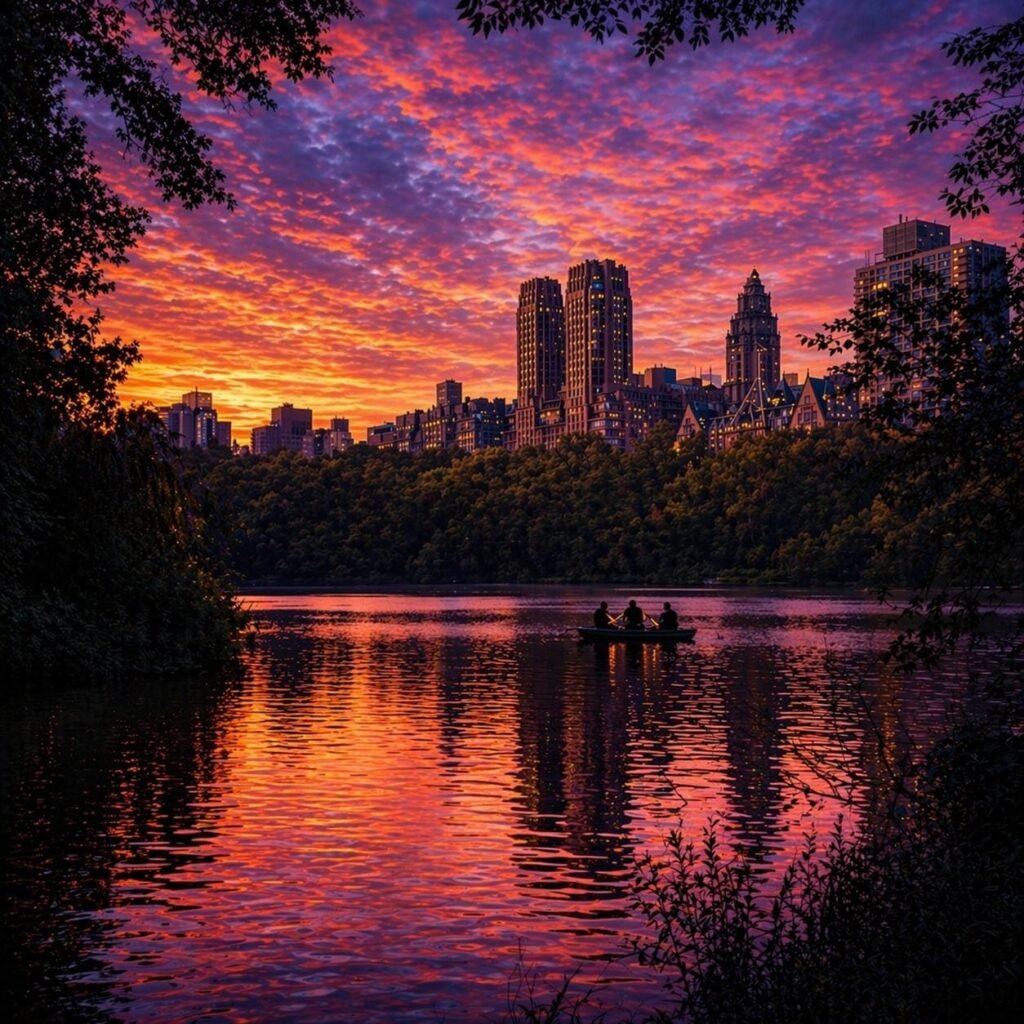
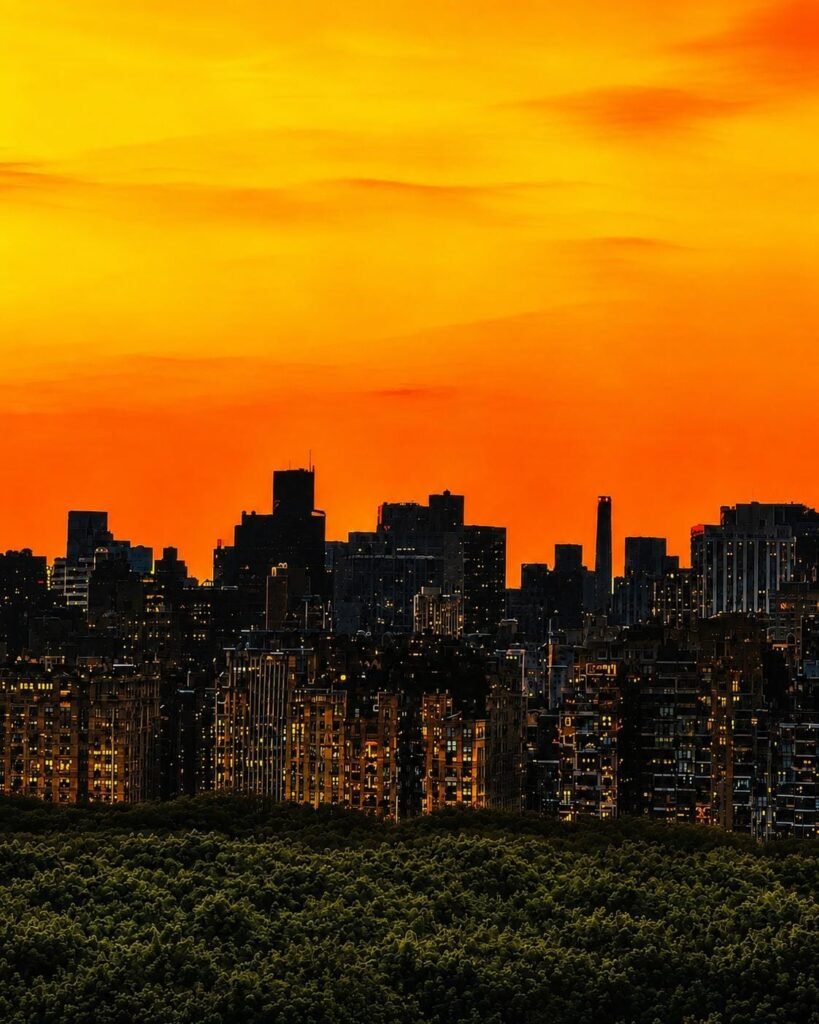
The New York skyline is likely among the most photographed on the planet, and one of the most difficult to license properly. Each year, brands, agencies, developers and publishers embark on the task of licensing New York City skyline photos for commercial use, and they all have to deal with the same issue: the image is easy to find, but the rights are not always easy to understand.
Whether you’re preparing for a campaign, website redesign, product launch, or hotel lobby installation, here’s the real truth behind what you need to know before the image is published.
Commercial use is not the same as editorial use
This is the difference that catches out the majority of buyers and it is the one that is most important to get correct first.
Editorial use means the image supports news, commentary, or education. A travel article about Manhattan neighborhoods, a documentary, a textbook chapter on urban density — these are editorial contexts. The bar for clearances is lower because the image is being used to inform.
Commercial use is defined as using the image for the purpose of selling, promoting or branding something. Your homepage hero. A billboard. Packaging. A social ad. An annual report cover. As soon as the picture is promoting a product or a brand, it becomes commercial, and the rules for licensing change.
There is a lot of NYC photography out there that is only suitable for editorial use. It is a common and costly error to use it in an ad campaign.
The main license types you will encounter
While there are a number of different licensing language options that photographers and agencies use, there are a few common options.
Royalty-free is not free. It’s one payment and you can use the image as many times as you like, within the terms of the agreement. Generally it is the cheapest choice for general marketing purposes.
Rights-managed licenses are limited to specific parameters: where the image will appear, how long it will run, how large it will be, in what markets and whether or not anyone else can license it during that time. It’s more expensive, but offers control and predictability. This is the way to go if your campaign is based on the image being yours.
Extended or enhanced licenses cover uses that standard agreements exclude — merchandise you resell, templates, app interfaces, or anything with unlimited print runs.
Exclusive licenses tie up the image to you for a mutually agreed upon timeframe. Expensive, but the only way to make sure that the competitor does not get the same skyline on their homepage.
Read the scope carefully. If the license is for digital use only, it won’t be of assistance when the campaign goes out-of-home.
New York specifics worth knowing
New York photography carries a few complications that generic stock advice tends to skip. Trademarked buildings. Not all of the landmarks of New York are just architectural, some are trademarks. The most famous example is the Empire State Building, whose owner actively guards the likeness of the building in commercial activities. It is usually legal to photograph a building from public property, but it is another issue if the photograph is used to suggest endorsement, or to market a product. For prominent campaigns, this is worth a conversation with counsel.
Property releases. If the image was captured on private property, such as a rooftop, a terrace, or a private office floor, the property owner may have given permission to use it subject to certain restrictions, such as commercial use. Ask.
Drone footage. Aerial NYC photography is subject to FAA regulations and local restrictions, and much of NYC is restricted airspace. Ensure that the aerial image was taken legally and with the proper permissions.
Recognizable people. Street level NYC photography often does this, but skyline shots typically don’t. In commercial imagery, identifiable individuals normally need model releases.
None of this is meant to be alarming. It is meant to save you from discovering a problem after the print run.
Choosing the right skyline image
Once the rights question is settled, the practical decisions start.
Resolution and format. What works well on Instagram will not work well on a trade-show banner. Request the native size of the file, not a preview. When it comes to large format New York wall art, you want to get a high resolution original that you have room to crop.
Aspect ratio. Skylines are horizontal in nature and don’t work well in vertical placements. When looking for a portrait crop for mobile or a stairwell installation, make sure that the composition allows for it before you go with it.
Time of day. There’s a reason why blue hour — the brief period of time just after sunset when the sky retains its color and the building lights are still on — is the classic choice. However, sunny days are interpreted as clean and corporate, while dark days are interpreted as moody and cinematic. Match the mood with the message. Vantage point. Midtown from Brooklyn Bridge Park, Lower Manhattan from Jersey City, the Midtown cluster from Long Island City, the classic Top of the Rock view — each tells a little different story about the city. Seasonality and currency. The skyline of New York City is changing. A picture from 10 years ago might not have the towers that now form part of the scene, and viewers familiar with the city will surely notice.
Wall art licensing is a separate conversation
When sourcing New York wall art for a hotel, office, restaurant or residential property, remember that buying a print is not the same as licensing an image. When you buy a print, you get an actual print to hang. It doesn’t mean that you have the right to reproduce that image in multiple properties, use it in your marketing materials, or resell it.
Typically, both are required for hospitality and commercial interior projects: physical prints and a license for reproduction and any promotional photography of the interior. Sort this out at the specification stage, not after installation.
Working with a photographer directly
While large stock libraries are helpful, there are benefits to working with a photographer who is familiar with the city. You can order a particular vantage point or condition. There is scope for negotiating the licensing to a level that is commensurate with your actual usage rather than a pre-defined tier. You can obtain the exclusive use of an image that no competitor will end up using. And you get a straight answer as to where and how the photo was made.
The variance in price is not as significant as it seems for most brands and the result is an image that’s not on twenty other websites.
Browse the Lupi Pictures gallery
Here at Lupi Pictures, we take our own New York photography — all the photos in our gallery are original work, taken on location, and are available in high resolution.
That indicates you’re not having to deal with the same recycled stock frames that are on every competitor’s homepage. We have the most iconic skyline spots as well as the lesser known spots that most catalogs don’t include. We own the images out and right, so we can also license them in the manner your project requires: flexible scope, straight answers, no guessing about where a photo came from or how it was made.